
Before buying a home in Pittsburgh, every buyer should schedule a professional home inspection that covers structure, roof, electrical, plumbing, HVAC, insulation, radon testing, sewer scope, and thermal imaging. Pittsburgh’s housing stock is among the oldest in the country, making a thorough local inspection — performed by an experienced company with structural engineering expertise — one of the most important steps a buyer can take before closing. At Three Rivers Inspections & Engineering, every inspection is approached from both a home inspection and a structural engineering perspective, giving buyers a uniquely complete picture of the property in front of them. Skipping or underinvesting in the inspection process is the single most common source of expensive surprises for Pittsburgh homeowners in the first years of ownership
What Is a Home Inspection and Why Does It Matter?
A home inspection is a systematic, visual evaluation of a property’s accessible systems and components — structure, roof, electrical, plumbing, HVAC, insulation, and interior — performed by a trained professional before a real estate transaction closes.
In Pittsburgh, a home inspection matters more than in most markets. The region’s housing stock is old, its climate is demanding, and the specific conditions that affect Southwestern Pennsylvania homes — freeze-thaw cycles, ice dams, hillside foundation stress, aging sewer infrastructure — require local knowledge and experience to evaluate accurately.
A home inspection gives you the information you need to make a confident decision, negotiate effectively, and plan for the costs of homeownership before they become surprises.
What Does a Pittsburgh Home Inspection Cover?
A thorough Pittsburgh home inspection should cover the following systems and components:

Structure & Foundation
The foundation, framing, and structural components of the home — including signs of movement, settlement, cracking, and water intrusion. In Pittsburgh, where hillside lots and older masonry foundations are common, structural evaluation is especially important. At Three Rivers, our inspection and structural engineering team approach every foundation finding with an engineer's eye — so buyers get a diagnosis, not just a description.

Roof
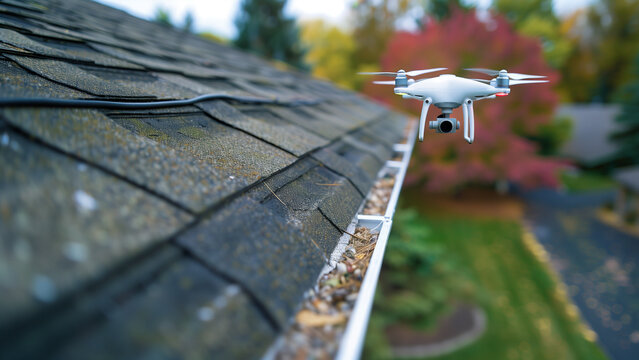
The condition and remaining useful life of roofing materials, flashing details, gutters, and penetrations. Pittsburgh's freeze-thaw cycles and ice dam season put sustained stress on roofing systems, and problems at the roof level often go undetected until water has already entered the home.

Electrical
The service panel, visible wiring, outlets, and fixtures. Older Pittsburgh homes frequently have outdated electrical systems — knob-and-tube wiring, undersized panels, aluminum branch wiring — that present safety concerns or significant upgrade costs.

Plumbing
Supply lines, drain lines, water heater, and fixtures. Galvanized supply pipes, cast iron drain lines, and aging water heaters are standard findings in Pittsburgh's older housing stock.

HVAC
The heating and cooling systems — age, condition, functionality, and any visible concerns with distribution or venting.

Insulation & Ventilation
Attic insulation levels, ventilation conditions, and signs that heat loss from the living space is contributing to moisture problems or ice dams.

Interior
Walls, ceilings, floors, windows, doors, and stairs — evaluated for signs of water intrusion, structural movement, deferred maintenance, and safety concerns.
How Much Does a Home Inspection Cost in Pittsburgh?
Do I Need Thermal Imaging with My Home Inspection?
At Three Rivers, thermal imaging is part of how we approach a thorough inspection — not a premium upsell. Combined with our structural engineering perspective, it gives buyers in Pittsburgh’s older housing market the most complete picture available.
Learn more about Three Rivers thermal imaging inspections
Do I Need a Sewer Scope Inspection in Pittsburgh?
Yes — for most Pittsburgh home purchases, a sewer scope inspection is strongly recommended. In Pittsburgh’s older neighborhoods, the sewer line running from the house to the municipal main is often original clay tile or cast iron — installed decades ago and never replaced.
Root intrusion, pipe offset, deterioration, and partial blockages are common findings. A failing sewer line is one of the most expensive repairs a homeowner can face, and it is not visible in a standard home inspection. A sewer scope inspection runs a small camera through the lateral line and shows you exactly what’s there — typically in less than an hour, at a fraction of the cost of a sewer repair or replacement.
In Pittsburgh, a sewer scope should be considered a standard part of any home purchase.
Is Radon Testing Necessary When Buying a Home in Pittsburgh?
Yes. Pennsylvania consistently ranks among the highest-risk states for radon in the country, and Southwestern PA is no exception. Radon is a naturally occurring radioactive gas that seeps into homes through soil and rock. It is colorless, odorless, and the second leading cause of lung cancer in the United States
The only way to know if a home has elevated radon levels is to test. Radon testing should be a standard part of every home purchase in Southwestern Pennsylvania — not an optional add-on.
What Should I Look for in a Pittsburgh Home Inspector
When choosing a home inspector in Pittsburgh, buyers should look for the following:
Local experience. Pittsburgh’s housing stock has specific characteristics — aging systems, hillside foundations, older sewer infrastructure — that reward inspectors with years of local pattern recognition. Ask how long the company has operated in Southwestern Pennsylvania and how many local properties they’ve assessed. Three Rivers has been assessing homes in this market since 1993 and has evaluated over 15,000 structures across Southwestern Pennsylvania.
Inspection and engineering expertise working together. Pittsburgh homes regularly surface structural concerns — foundation issues, retaining wall problems, settlement cracks. At Three Rivers, our certified inspectors and structural engineering team work as one integrated unit. Every inspection is approached with both a home inspector’s thoroughness and a structural engineer’s understanding, so findings are diagnosed accurately rather than simply flagged for someone else to figure out later.
Multiple services under one roof. Coordinating separate vendors for your inspection, radon test, sewer scope, and pest inspection adds complexity and timeline risk. One company that handles all of it keeps your transaction cleaner and your closing on schedule.
Clear, readable reports. Ask to see a sample report before booking. It should be well-organized, photo-documented, and written in language a non-technical reader can understand without a follow-up phone call to interpret.
What Are the Most Common Home Inspection Findings in Pittsburgh?
Based on decades of inspections across Southwestern Pennsylvania, the most common significant findings in Pittsburgh homes include:
- Foundation and structural movement — particularly in hillside lots and older masonry foundations
- Roof flashing failures — around chimneys, skylights, and valleys
- Outdated or unsafe electrical systems — knob-and-tube wiring, Federal Pacific panels, undersized service
- Galvanized plumbing — corroded from the inside, restricting water pressure and flow
- Moisture intrusion — from roof leaks, ice dam damage, and failing exterior envelope details
- Sewer line deterioration — clay tile and cast iron lines with root intrusion, offset joints, or collapse
- Elevated radon levels — common throughout Southwestern PA
- Insulation deficiencies — particularly in attics of homes built before 1980
- Deferred maintenance — accumulated across multiple owners over decades
None of these findings should automatically disqualify a home you love. All of them deserve to be understood accurately — and completely — before you close. At Three Rivers, our combined inspection and structural engineering perspective means you’re not left guessing about what a finding actually means or what it will take to address it.
A Home Inspection Is Not a Pass/Fail Test
This is one of the most common misconceptions buyers bring to the process. A home inspection is not designed to tell you whether a home is good or bad. It is designed to give you a complete, accurate picture of its current condition — what’s working, what needs attention soon, and what can wait.
Every home has findings. The goal isn’t a clean report — it’s an honest one. What you do with that information is up to you. Some findings are negotiating points. Some are repairs you’ll budget for after closing. Some are genuine concerns that change your decision. A good inspector helps you understand the difference — and at Three Rivers, having structural engineering expertise in the room means that understanding goes deeper than most.
The Bottom Line for Pittsburgh Homebuyers
Buying a home in Pittsburgh is a tremendous opportunity. This city has neighborhoods, architecture, and community character that buyers from across the country are discovering. It also has housing stock that rewards informed buyers — and creates expensive surprises for those who aren’t.
A thorough home inspection, performed by an experienced local company that brings both inspection and structural engineering expertise to every job, is the single most important step you can take to protect yourself before closing. Schedule it, show up for it, ask questions during it, and read the report carefully when you get it.
The information you get back is worth every dollar and every hour you put into it.
Frequently Asked Questions
Most residential home inspections in Pittsburgh take between two and three hours, depending on the size and age of the home. Add-on services like sewer scope, radon testing, and thermal imaging may extend the time on site.
Yes. Being present for your home inspection allows you to ask questions in real time, see findings firsthand, and leave with a much clearer understanding of the property than a report alone can provide.
At Three Rivers, we deliver reports promptly after the inspection is complete. Call us at 412-331-5665 to ask about our current turnaround time.
A seller can decline to allow an inspection, but buyers should treat that refusal as a serious red flag. Most standard purchase agreements in Pennsylvania include an inspection contingency that protects the buyer's right to inspect.
A significant finding gives you options — negotiate a price reduction, request repairs before closing, ask for a credit at settlement, or in some cases, walk away. At Three Rivers, our combined inspection and structural engineering expertise means we can help you understand not just what was found, but what it means and what it will realistically take to address it.
Yes. Three Rivers offers home inspections, structural engineering reports, thermal imaging, radon testing, sewer scope, roof inspections, and pest inspections — all under one roof, scheduled together, and delivered as a coherent set of findings. One call handles everything.
Thinking about scheduling a home inspection in Pittsburgh?

Three Rivers Inspections & Engineering has been helping Pittsburgh buyers make informed decisions since 1993. Our team brings certified inspection and structural engineering expertise to every job — a combination that gives buyers a perspective on their prospective home that no standard inspection company can match. With thermal imaging, radon testing, sewer scope, and pest inspection all available under one roof, Three Rivers is the one call that covers everything.
Call us at 412-331-5665 or visit our Home Inspections page to learn more.