
Pittsburgh's Thermal Imaging Experts
See What the Naked Eye Can’t.
Our professional thermal imaging inspection uses infrared camera technology to reveal hidden moisture intrusion, missing insulation, electrical hot spots, and energy leaks — problems invisible to the naked eye that every Pittsburgh homeowner deserves to know about.
Contact Us Today!
- Serving SW Pennsylvania Since 1993
What We Find
Hidden Moisture
Insulation Gaps
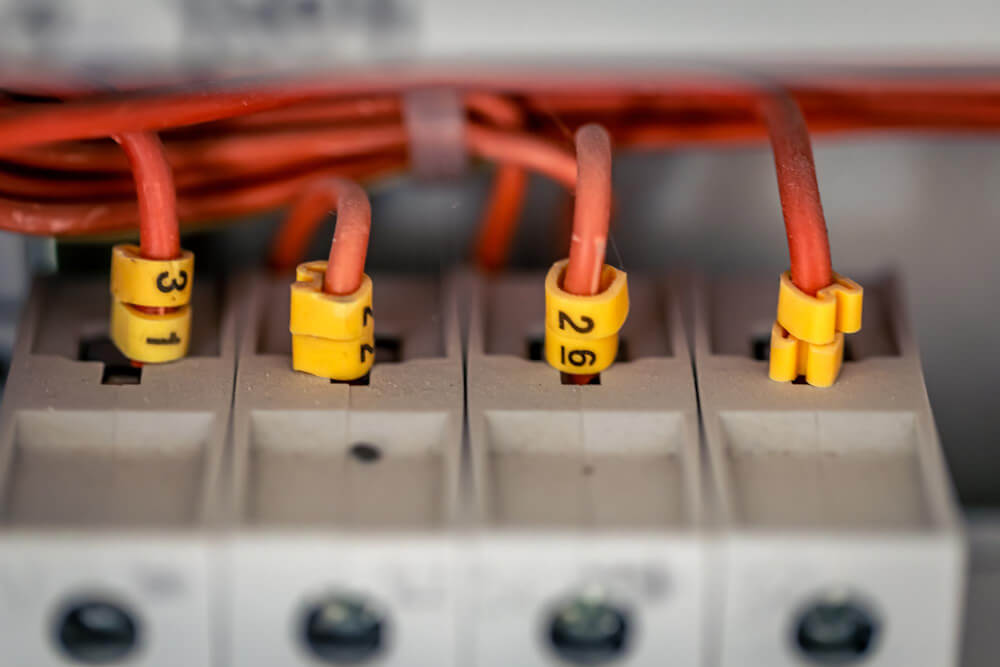
Electrical Hot Spots
Air Leaks
HVAC Failures
Roof Leaks
What Is a Thermal Imaging
Inspection?
A thermal imaging inspection — also called an infrared home inspection — uses a specialized FLIR infrared camera to detect surface temperature differences invisible to the human eye. Those differences reveal hidden problems inside walls, ceilings, floors, and electrical panels.

Non-Invasive Technology
No drilling, no cutting, no guesswork. Our infrared cameras read thermal signatures through surfaces to find problems without damaging your home.

Visual Proof in Your Report
Every anomaly is documented with a side-by-side visible and infrared image so you can see exactly what we found and where.

Engineering Expertise On Call
Unlike most inspection companies, Three Rivers has a licensed structural engineer in-house. If thermal imaging reveals something serious, we can assess it immediately.

6 Hidden Problems Thermal
Imaging Uncovers
Pittsburgh's older housing stock and harsh winters create ideal conditions for hidden moisture, ice dam damage, and energy loss. Infrared inspection finds them all.

Moisture & Water Intrusion
Wet building materials retain heat differently than dry ones. Our infrared camera pinpoints active leaks, roof water intrusion, and moisture hidden behind walls long before mold sets in.

Insulation Deficiencies
Missing, settled, or improperly installed insulation is immediately visible on an infrared scan. We identify every gap in your building envelope — and the energy dollars escaping through it.

Electrical Hot Spots
Overloaded circuits, failing breakers, and loose connections generate heat before they cause fires. A thermal imaging scan of your electrical panel can catch dangerous anomalies early.
HVAC & Heated Floor Issues
Non-functional heat registers, in-floor radiant heat gaps, and HVAC distribution problems are quickly identified. There's simply no better tool for diagnosing a radiant floor system.
Air Leaks & Attic Bypasses
Air infiltration through unsealed top plates, penetrations, and bypass gaps is a primary cause of ice dams and high energy bills in Pittsburgh homes. Infrared makes them unmistakably visible.
Roof Leaks & Ice Dam Damage
Post-storm or freeze-thaw cycles often leave moisture trapped under roofing. Infrared inspection after a rain event is one of the most reliable ways to confirm an active leak.
The Three Rivers Difference
We’re not a national franchise. We’re Pittsburgh-rooted professionals who’ve been assessing homes in the Steel City and surrounding communities since 1993.

Engineers & Inspectors in One Company
Most inspection companies have to refer you out when something serious is discovered. We have a licensed professional engineer with 25+ years of structural experience under the same roof — ready to assess what the thermal camera finds.

Thermal Imaging Included, Not Upsold
Our inspectors arrive equipped with professional-grade FLIR infrared cameras. Thermal imaging is part of a thorough inspection — not an expensive add-on that catches you by surprise at checkout.

Pittsburgh Weather Knowledge Matters
Our inspectors understand how Southwestern PA winters create ice dams, how freeze-thaw cycles damage foundations, and how Pittsburgh's older housing stock hides chronic moisture problems in ways other markets don't.

Clear, Actionable Reports
Your thermal imaging report includes side-by-side infrared and visible-light images with plain-language explanations. No jargon. No ambiguity. Just the information you need to negotiate, repair, or make an informed decision.
What to Expect
A thermal imaging inspection at Three Rivers is straightforward, thorough, and built around your schedule.
Schedule a Call
Call or email us to discuss your property and the best time for your inspection. We serve all of Southwestern Pennsylvania.
On-Site Scan
Our inspector arrives with a professional FLIR infrared camera and conducts a systematic thermal scan of the entire home — interior and exterior where conditions allow.
Anomalies Documented
Every thermal anomaly is photographed with paired visible and infrared images, annotated with temperature data, and logged for your report.
Report Delivered
You receive a clear, detailed report with findings explained in plain language. If structural engineering follow-up is warranted, we can seamlessly provide it.
Frequently Asked Questions
What is a thermal imaging inspection and how does it work?
A thermal imaging inspection uses an infrared (IR) camera to detect differences in surface temperature across walls, ceilings, floors, and electrical panels. Because wet materials, missing insulation, and overheating electrical components all create temperature differentials, the camera makes these invisible problems visible — without any drilling or cutting into your home.
Is thermal imaging included in a standard home inspection?
At Three Rivers, our inspectors are equipped with professional FLIR infrared cameras as part of a thorough home inspection. We don’t believe in charging significant upcharges for a tool that genuinely helps our clients. Ask us about our current inspection packages when you call.
What are the best conditions for a thermal imaging inspection?
Thermal imaging works best when there is a temperature differential of at least 10–18°F between the interior and exterior of the home. Pittsburgh winters are ideal — the cold outside air makes insulation gaps and air leaks extremely obvious on an infrared scan. Moisture detection is most reliable shortly after a rain event or when ice dam damage has recently occurred.
Can thermal imaging find mold?
Thermal imaging doesn’t directly detect mold — but it excels at finding the moisture conditions that cause mold to grow. When an infrared scan identifies a consistently wet area inside a wall or ceiling, that’s a strong indication mold testing is warranted. We can advise you on appropriate next steps based on what we find.
How is a thermal imaging inspection different from a regular home inspection?
A standard home inspection relies on visual observation — what the inspector can see with their eyes and simple tools. A thermal imaging inspection adds an infrared camera that reveals what’s happening inside surfaces and within building assemblies. Problems like leaking pipes inside walls, missing attic insulation above a finished ceiling, or a dangerously hot circuit breaker are simply not findable any other way.
How much does a thermal imaging inspection cost in Pittsburgh?
Pricing depends on the size of the property and the scope of the inspection. Call us at 412-331-5665 for an accurate quote. We’re transparent about pricing and don’t believe in hidden fees or surprise upsells after the inspection is complete.
Do you offer standalone thermal imaging inspections, or only as part of a home inspection?
We offer thermal imaging as part of our comprehensive home inspection, and we also offer targeted infrared scans for specific concerns — for example, if you suspect a roof leak, want to verify a repair was done correctly, or need to identify the source of a chronic moisture problem. Give us a call to discuss your specific situation.
What areas of Pittsburgh do you serve?
We serve all of Southwestern Pennsylvania, including the city of Pittsburgh and surrounding communities such as the North Hills, South Hills, East End, Allegheny County, Butler County, Washington County, Westmoreland County, and Beaver County. If you’re unsure whether we cover your area, just call us.